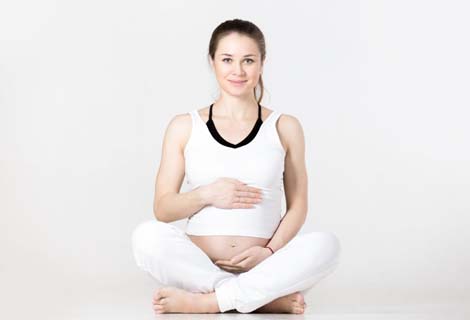





Becoming pregnant after successful breast cancer treatment not only appears to be safe, it may also be protective against a recurrence of breast cancer.
Over the years, I have done consultations with a number of women with a new diagnosis of breast cancer whose concern is fertility preservation, preserving the ability to have a baby after completing therapy. Although there are other options, this usually involves doing an expedited ("emergency") in vitro fertilization (IVF) cycle to minimize the delay before the initiation of treatment for the breast cancer. The eggs (oocytes) we retrieve are frozen, either unfertilized if the patient does not have a partner or as fertilized eggs (embryos) if she does.

Treatment for breast cancer is difficult emotionally and physically, and thus it's not surprising that breast cancer survivors are genuinely very concerned about doing anything that might trigger a recurrence. Inevitably, one of the first questions I am asked by women when they return to begin the process of building (or completing) their family is whether becoming pregnant will increase their risk of having the breast cancer "return." There is no final answer to this question at present, particularly because breast cancer comes in many varieties and with diverse characteristics. However, the good news is that the evidence so far suggests that there is no increase risk of recurrence from pregnancy. And interestingly, there is even a possibility that having a full-term delivery may even be protective against a recurrence.

In a population-based study from Denmark, over 10,000 young (ages 45 and under) breast cancer patients were followed as part of an ongoing long-term research project. Of these 371 became pregnant. Their risk of dying was compared to those women who did not become pregnant. Those women that had a full-term delivery had a 27% lower risk of dying than those that who did not have a pregnancy.
A word of caution. This apparent reduction in risk may not be "real" because it is possible that it results from the so-called ''healthy mother effect,'' that is, women with a better prognosis may be more likely to choose to become pregnant and have a baby. However, the authors performed additional statistical analyses that make that explanation less likely. If this protective effect is confirmed, it would greatly reduce the anxiety that breast cancer survivors live with and give them yet another reason to resume a "normal" life full of joy and anticipation.
Pregnancy after treatment of breast cancer
![Reblog this post [with Zemanta]](http://img.zemanta.com/reblog_e.png?x-id=1d5cb62c-e6a6-4c9a-a2db-00bc7b9127f8)
ey ingest the same amount of caffeine.![Reblog this post [with Zemanta]](http://img.zemanta.com/reblog_e.png?x-id=f52cae0f-4680-426a-94c8-4881d4c5e093)
![Reblog this post [with Zemanta]](http://img.zemanta.com/reblog_e.png?x-id=d52d5041-c7c6-4f03-8593-6459a7d15863)
![Reblog this post [with Zemanta]](http://img.zemanta.com/reblog_e.png?x-id=5e4028b1-6a66-4bc6-b190-eec84474f5ab)